DIY Home Staging: A Practical Room-by-Room Guide
DIY home staging means preparing a home for sale using your own time and belongings, focusing on decluttering, depersonalizing, arranging furniture for flow, and improving light and cleanliness, without hiring a professional stager to bring in rental furniture or decor. It works well for homes that already have reasonable furniture and layout, and less well for empty homes or homes with unusual layouts that need a trained eye.
Table of contents
- What does diy home staging actually involve?
- Which rooms matter most when time is limited?
- Should you stage yourself or hire a professional?
- What mistakes do sellers make with diy home staging?
- FAQ
What does diy home staging actually involve?
At its core, staging is about helping a buyer picture themselves living somewhere else, in your home. That means removing the visual noise that says "this is someone else's life" and replacing it with a neutral, calm backdrop. It is not renovation. It is not deep cleaning alone, though cleaning is part of it. It is a specific set of changes aimed at how a space photographs and how it feels when someone walks through it.
The work usually falls into a few categories: removing excess belongings, rearranging what stays, fixing small cosmetic issues, and adjusting light. None of this requires special training, but it does require an outside perspective, which is the hardest part to get on your own home.
A practical starting point is to walk through each room with a camera, the same way a real estate photographer would, and look at the photos rather than the room itself. Photos flatten a room and make clutter, mismatched furniture, and awkward angles far more obvious than they are in person. Many sellers are surprised by what shows up once they see the still image instead of the lived-in space.
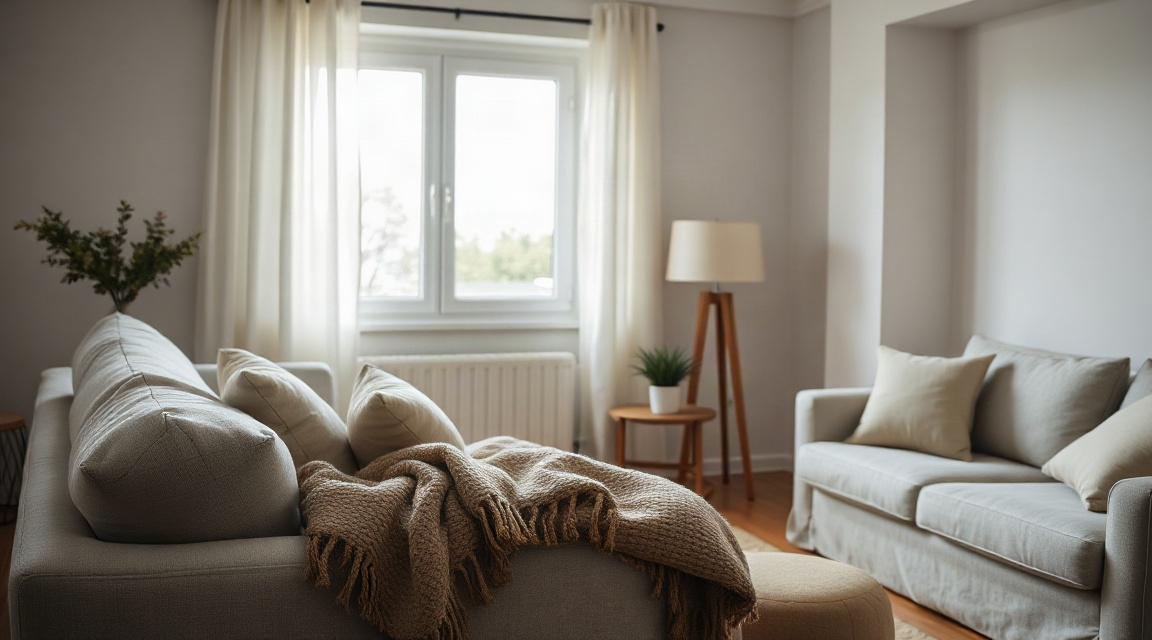
If you want a structured way to work through this room by room, the Listing Prep Almanac lays out a sequence that mirrors what a professional stager would check before a shoot.
Which rooms matter most when time is limited?
Not every room carries equal weight in a listing. Buyers spend more attention on some spaces than others, and photographers tend to shoot the same rooms in nearly every listing package. If you only have a weekend, spend it where it counts.
The entryway sets the first impression, both online and in person. A single well-placed piece of furniture, clear floor space, and a tidy coat area go further here than almost anywhere else in the home.
The main living space is usually the largest photo in a listing, so furniture arrangement matters. Pull furniture slightly away from walls to create a sense of scale, and remove any piece that blocks a natural walking path.
Kitchens photograph best with clear counters. Small appliances, drying racks, and paper clutter are the most common culprits. A kitchen with two or three visible items on the counter reads as calm; a kitchen with ten reads as busy, regardless of how clean it actually is.
Bedrooms benefit from simple bedding and reduced personal items on nightstands and dressers. Closets should be tidied since many listing photo sets now include an open closet shot.
Bathrooms are quick to fix but easy to overlook. A folded towel, a plain shower curtain, and a clear counter change the tone of a bathroom photo more than almost any other five-minute task in the house.
Pro tip: Photograph each room before you touch it and again after. Comparing the two side by side tells you whether a change actually reads well in a photo, rather than relying on how the room feels standing in it.
Should you stage yourself or hire a professional?
This is the question most sellers eventually ask, usually after spending a weekend on their own and wondering whether it was enough. There is no single right answer. It depends on the home, the timeline, and how much furniture is already usable.
| Approach | Time required | Best suited for | Trade-offs |
|---|---|---|---|
| Full DIY | A few days to a couple of weekends | Furnished homes with decent existing furniture and layout | Relies entirely on the seller's eye; easy to miss issues that are obvious to a buyer |
| Partial DIY with a stager consult | One consult plus follow-up work by the seller | Sellers who want direction but not full-service staging | Requires the seller to actually execute the recommendations, which some skip |
| Full professional staging | Handled by the stager's team | Vacant homes, unusual layouts, or high-competition listings | Seller has less control over the final look; scheduling depends on stager availability |
| Written staging report only | A short read before any work begins | Sellers or realtors who want a room-by-room plan before deciding how to execute it | Does not include the physical work itself, only the plan |
If you are leaning toward professional help, Compare staging options walks through what full-service staging includes versus a lighter consult. And if you decide a local professional makes more sense than doing it all yourself, you can find a home stager near you, including stagers working in Toronto, Ottawa, and Oshawa.
Many sellers land somewhere in the middle: they do the physical work themselves but use a written report, the kind a stager would normally produce, to know exactly what to prioritize in each room before a photographer arrives.
What mistakes do sellers make with diy home staging?
The most common mistake is treating every room the same way. A guest bedroom that is rarely used does not need the same attention as the main living area, and spending equal time on both means the rooms that matter most get shortchanged.
Another frequent mistake is fixing a problem in one room and missing it elsewhere. If a cluttered counter shows up in more than one photo, that pattern deserves attention everywhere it appears, not just in the first room noticed. Sellers often correct the kitchen and forget the same clutter habit exists on a bathroom counter or a hallway table.
Lighting is also underestimated. Overhead lights alone often leave corners dim in photos. Turning on every lamp in a room, and opening curtains fully rather than partway, changes how a space photographs more than most furniture adjustments do.
A subtler mistake is over-staging: removing so much personality that the home feels sparse and cold rather than neutral. The goal is a calm backdrop, not an empty showroom. A shelf with two or three simple objects reads better than a completely bare shelf.
Finally, many sellers skip the outside spaces. A tidy porch, a clear walkway, and a neat entry area matter because they are often the very first photo a buyer sees in a listing.
For general guidance on preparing a home for sale that goes beyond staging alone, the Canada Mortgage and Housing Corporation publishes consumer resources that pair well with a staging plan, particularly around general home maintenance timing before a sale.
Key takeaways
| Point | Why it matters |
|---|---|
| Photograph rooms before and after changes | Photos reveal clutter and layout issues that are easy to miss in person |
| Prioritize entryway, living space, kitchen, and bathrooms | These rooms get the most attention from buyers and photographers |
| Fix recurring clutter patterns everywhere, not just once | A habit visible in one room is usually visible in several |
| Decide between full DIY, partial help, or full staging based on the home | Vacant or unusual homes usually need more than a DIY pass |
| Avoid over-staging | A calm room reads better than a completely bare one |
FAQ
Does diy home staging work for every home? It works reasonably well for furnished homes with a workable layout. Vacant homes or homes with unusual room shapes often need more than a self-directed pass, since there is no existing furniture to rearrange and empty rooms are harder to read in photos.
How long does diy home staging usually take? Most sellers spend a few days to a couple of weekends, depending on how much decluttering and rearranging is needed. Rooms with the most personal items, such as bedrooms and home offices, tend to take the longest.
Can a written staging report help even if I do the work myself? Yes. A room-by-room report gives a clear sequence and specific changes to make before a photographer arrives, which many sellers find easier to follow than working it out room by room on their own.
Keep reading
For sellers
The home staging checklist, room by room
Every room in the house, in the order to do them: what to remove, what to rearrange, and what a photo actually notices.
For sellers
What to fix before selling your house (and what to skip)
The repairs buyers notice first, and the projects you should not start six weeks before listing.
For sellers
How to declutter before selling, without the panic
A calm order of operations for thinning out a house before listing: what goes first, where it goes, and how far is far enough.
Want this list built for your actual rooms?
Upload a few phone photos and the free Staging Snapshot starts the plan for your rooms. No account needed.