Home Staging Ideas That Actually Help a Listing Sell
The most useful home staging ideas are the ones that match the effort to what a photo and a walkthrough will actually show: clear the visual clutter first, fix lighting and sightlines second, and only then think about furniture or decor changes, working room by room in the order a buyer would walk through the home.
- What are the most useful home staging ideas for a first pass?
- Which rooms matter most when you have limited time?
- Should you hire a stager or do it yourself?
- What do professional stagers check that homeowners miss?
What are the most useful home staging ideas for a first pass?
Before buying bins, renting furniture, or repainting a wall, it helps to walk through the home with a phone camera and take the same photos a listing photographer would take. Look at each shot, not the room. A room can feel fine to stand in and still photograph poorly because of clutter at the edges of the frame, mismatched light sources, or furniture that blocks a sightline to a window.
Start with surfaces. Kitchen counters, bathroom vanities, and bedroom dressers should be cleared down to two or three objects at most. Personal items such as toothbrushes, medication bottles, and pet supplies should be put away entirely, not just tidied. Buyers looking at photos are trying to picture their own things in the space, and a counter full of someone else's daily life makes that harder.
Next, deal with light. Open every blind and curtain before photos. Turn on every lamp and overhead fixture, even during the day. Mixed light temperatures, one warm bulb and one cool bulb in the same shot, read as a yellow or blue cast in photos and are one of the more common small fixes that gets missed.
Finally, look at floor space. Buyers read open floor space as usable space. Removing one extra chair, a floor lamp that is not needed, or a rug that bunches near a doorway usually does more for a photo than adding a new decorative object would.
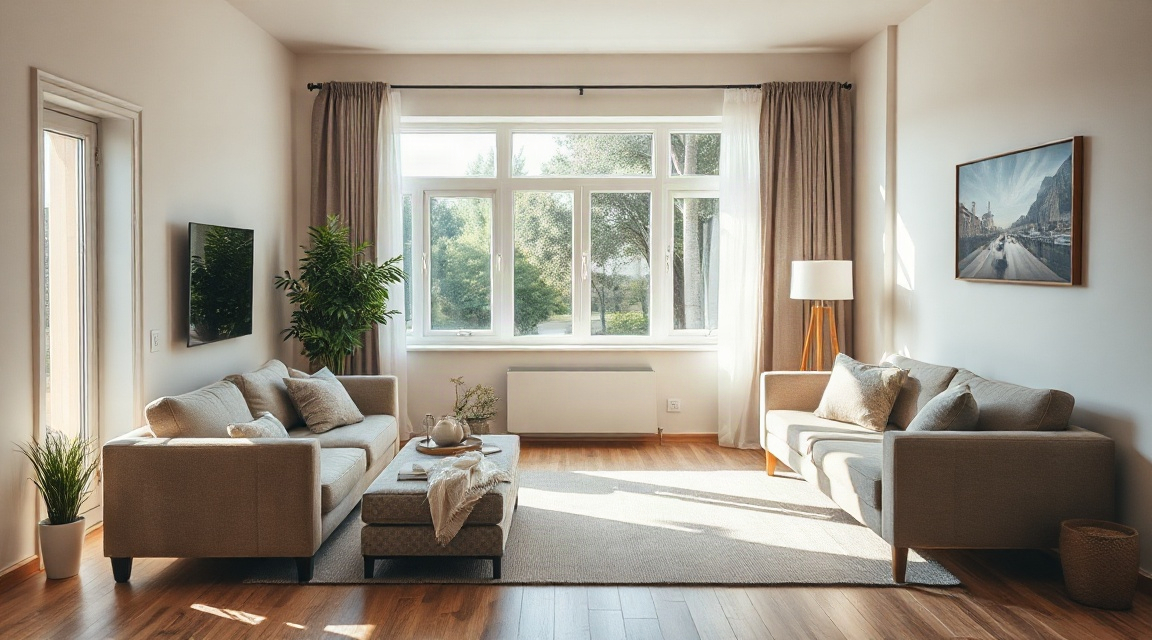
Pro tip: photograph each room from the doorway before you touch anything. That single photo is the fastest way to see what a buyer's first glance will actually take in, and it is a good reference to check against once you have made changes.
Which rooms matter most when you have limited time?
Not every room needs the same attention, and treating them equally is a common way to run out of time before photos are scheduled. The entry, the kitchen, and the main living area carry the most weight because they appear first in almost every listing photo set and set the tone for the rest of the gallery.
Bedrooms and bathrooms matter too, but they respond well to smaller changes: fresh linens, cleared vanities, and good light do most of the work. Secondary spaces such as laundry rooms, home offices, or basements can usually be tidied rather than staged, unless the listing is built around a specific feature in that room.
The Listing Prep Almanac breaks this down by room type and season, which is useful if you are trying to sequence work across a longer prep period rather than doing everything the weekend before photos.
Should you hire a stager or do it yourself?
This depends on the home, the timeline, and how comfortable the seller is making these calls without outside input. Below is a rough comparison of the common approaches.
| Approach | What it involves | Best suited for |
|---|---|---|
| Full-service staging | A stager brings in furniture, decor, and arranges every room | Vacant homes or listings where the current furniture does not suit the space |
| Consultation only | A stager visits, gives a written or verbal plan, and the seller does the work | Occupied homes with usable furniture and a seller willing to do the physical work |
| Self-guided | The seller uses checklists, guides, or online resources without a stager visit | Smaller listings, tight timelines, or sellers comfortable assessing their own space |
| Realtor-led | The listing agent gives direction, sometimes using a written report from a stager | Realtors managing several listings who want consistency across properties |
None of these is automatically the right choice. A vacant home with echoing rooms usually benefits from at least a consultation, because empty rooms photograph oddly and are hard to judge without seeing similar spaces staged before. An occupied home with reasonable furniture might only need a short list of changes.
If you want to compare what each option actually includes before deciding, the Compare staging options page lays out the differences without pushing you toward any one path.
What do professional stagers check that homeowners miss?
Stagers spend their time looking at homes that are about to be photographed, so they develop a habit of scanning for things that read strangely in a photo but feel unremarkable in person. A few examples come up often.
Reflections in mirrors and glass cabinet doors can show clutter from another part of the room that the seller did not think to check. Cords for lamps, routers, or chargers sit in the bottom third of a frame more often than people expect, especially in corners near outlets. Shoes and coats near an entry are one of the most common items left in place because the household walks past them without noticing.
Stagers also tend to check consistency across a full photo set rather than room by room. If one bedroom has warm-toned bedding and another has cool tones, the gallery feels disjointed even though no single room looks wrong. A stager working from listing photos, rather than an in-person walkthrough, often catches this pattern precisely because they are looking at the whole set side by side.
If you are working with a realtor rather than staging on your own, ask whether they use a stager for this kind of review before the photographer arrives. Some realtors already send listing photos to a stager and get back a written, room-by-room report describing exactly what to change, which the realtor then shares with the seller. This is common enough now that asking about it is a reasonable question to raise early in listing prep.
You can find a stager directly through Find a home stager near you, or look at city-specific listings such as home stagers in Toronto, home stagers in Ottawa, or home stagers in Oshawa if you want someone local.
For general guidance on preparing a home for sale, the U.S. Department of Housing and Urban Development publishes consumer information for sellers that covers steps beyond staging, and it is a reasonable second source to check alongside anything a stager tells you directly: HUD.gov.
Key takeaways
| Point | Why it matters |
|---|---|
| Clear surfaces before adding decor | Buyers read clutter faster than they read style |
| Fix lighting before photos, not after | Mixed light temperatures are hard to correct once shot |
| Focus effort on entry, kitchen, and main living space | These rooms carry the most photo weight in a typical listing |
| Match the staging approach to whether the home is vacant or occupied | Full-service, consultation, and self-guided suit different situations |
| Check reflections, cords, and consistency across rooms | These are the details stagers catch that homeowners often miss |
FAQ
Do I need to stage every room in the home? No. Rooms that appear in the main listing photo set benefit most from staging attention. Rooms that rarely appear in photos, such as a laundry room or a utility closet, usually only need to be tidy.
Can I stage a home myself without hiring anyone? Yes, particularly if the home is occupied and the existing furniture is reasonable for the space. A phone camera, a decluttering pass, and attention to lighting cover a large share of what staging accomplishes. Vacant homes are harder to judge without outside input.
How far in advance should staging happen before photos? This depends on the scope of work. Surface-level changes such as decluttering and lighting can happen the day before photos. Furniture rentals or larger rearranging usually need a few days to a week of lead time, which the Listing Prep Almanac covers in more detail by season and region.
Keep reading
For sellers
The home staging checklist, room by room
Every room in the house, in the order to do them: what to remove, what to rearrange, and what a photo actually notices.
For sellers
What to fix before selling your house (and what to skip)
The repairs buyers notice first, and the projects you should not start six weeks before listing.
For sellers
How to declutter before selling, without the panic
A calm order of operations for thinning out a house before listing: what goes first, where it goes, and how far is far enough.
Want this list built for your actual rooms?
Upload a few phone photos and the free Staging Snapshot starts the plan for your rooms. No account needed.