Home Staging Service: What It Is and How to Choose One Well
A home staging service is a professional offering that prepares a house for sale by adjusting furniture, decor, and room layout so that listing photos and in-person showings present each space clearly to potential buyers. Some home staging services also provide a written report, a room-by-room list of what to change, that a seller or their agent can use before a photographer ever shows up.
- What Does a Home Staging Service Actually Do?
- How Do You Choose the Right Home Staging Service?
- What Happens Before the Photographer Arrives?
- Full Staging vs Partial Staging vs a Written Report: Which Fits Your Listing?
- FAQ
- Key takeaways
What Does a Home Staging Service Actually Do?
At its core, a home staging service adjusts the physical presentation of a home so buyers can picture themselves living there. That can mean bringing in rental furniture for a vacant property, rearranging a seller's existing pieces in an occupied one, removing personal items from shelves and counters, and adjusting lighting so rooms photograph clearly.
Not every service works the same way. Some companies send a team on-site to move furniture and bring in decor pieces. Others work remotely, reviewing listing photos or a video walk-through and sending back a written report that tells the homeowner or agent exactly what to change in each room, what to remove, what to reposition, and where to add or take away light. Realtors often commission this kind of report ahead of a listing so the seller has a clear checklist to work through before the professional photographer books their time slot.
The buyers of these services fall into a few groups. Home stagers themselves sometimes outsource the write-up portion of their work so they can spend more time on-site. Realtors preparing a listing want a document they can hand a seller without spending an evening drafting notes room by room. Homeowners selling privately want the same guidance without going through an agent at all.
If you are trying to figure out where to start, it helps to look at listings in your own area first. You can find a home stager near you to see examples of before-and-after work, which gives a much clearer sense of what a given company actually does than a service description alone.
How Do You Choose the Right Home Staging Service?
Choosing between providers comes down to a short list of practical questions. Ask what the service actually delivers: is it a full on-site setup, a partial refresh of key rooms, or a written report you or your agent will act on yourselves. Ask how they handle occupied homes, since staging around a family's daily life is a different job from staging an empty unit. Ask about turnaround time, since listings often move on a tight schedule between the decision to sell and the day the photographer arrives.
It also helps to ask for examples of past work in your specific area, since staging choices that suit a downtown condo do not always suit a suburban house with different room proportions and light. If you are comparing options in a specific city, it can be useful to look at home stagers in Toronto, home stagers in Ottawa, or home stagers in Oshawa to see how local providers describe their process.
For a broader look at credentials and standards in the staging industry, the Real Estate Staging Association publishes general information on training and professional practice that can help you understand what questions to ask a provider about their background.
Pro tip: ask any provider you're considering to walk you through one recent project from start to finish, including what they changed and why. A company that can explain its reasoning room by room is usually more reliable than one that only shows finished photos.
What Happens Before the Photographer Arrives?
Most staging work happens in a fairly consistent sequence, whether it is done on-site or through a written report. First comes a walk-through of the property, room by room, noting what is currently in each space. This includes furniture placement, wall decor, clutter on surfaces, and how natural light moves through the room at different times of day.
From that walk-through, the stager or report writer builds a list of specific changes: what to remove, what to reposition, what to add, and where to simplify a room that currently has too much going on. Neutral decor choices tend to photograph more clearly than busy patterns or heavily personalized displays, which is why removing personal photos and collections is a common early step.
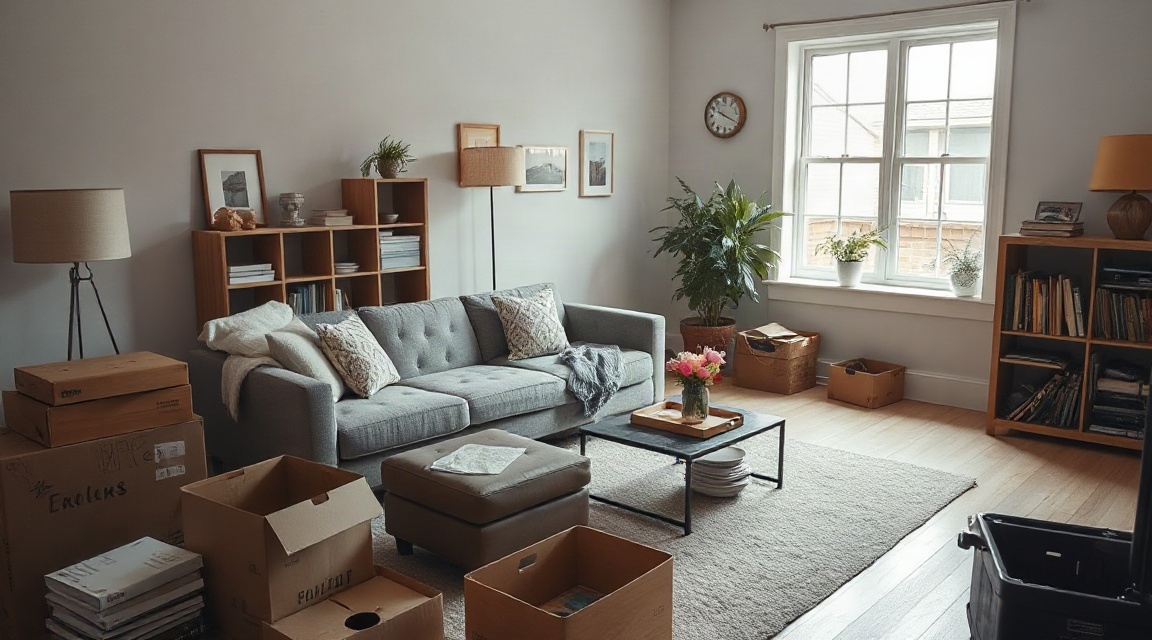
Once these changes are made, the home is ready for professional photography. Sellers who work from a written report at this stage typically go through it room by room over a day or two before the photographer's appointment, which keeps the process from feeling rushed. The Listing Prep Almanac covers this kind of room-by-room preparation in more depth if you want a broader reference to work from.
Pro tip: tackle the rooms that appear first in listing photos, typically the entryway and main living space, before spending time on secondary rooms. Buyers form an impression from the first few images in a listing, so those rooms benefit most from careful attention.
Full Staging vs Partial Staging vs a Written Report: Which Fits Your Listing?
There is no single right approach. The choice depends on whether the home is occupied or vacant, how much time is available before photography, and how much hands-on work the seller or agent is prepared to do themselves.
| Approach | What it includes | Time and effort involved | Best suited for |
|---|---|---|---|
| Full on-site staging | A team brings in furniture and decor, arranges every room, and removes existing items as needed | Requires scheduling delivery, setup, and eventual pick-up | Vacant homes or listings needing a complete visual reset |
| Partial staging | Key rooms only, often the living room and primary bedroom, using a mix of existing and added pieces | Shorter on-site visit, but the seller still handles secondary rooms | Occupied homes where a full team isn't needed in every space |
| Written staging report | A room-by-room list of changes prepared from photos or a walk-through, handed to the seller or agent | Fastest to produce, but the physical work falls to the seller | Sellers who want clear direction without an on-site team |
Some sellers combine approaches, using a full on-site service for the main living areas and a written report to guide changes in bedrooms or a home office. Realtors often make this decision property by property rather than applying one method across every listing. If you are undecided, it can help to compare staging options side by side before committing to one path.
One thing to note for anyone comparing these approaches: a staging report is meant to guide presentation choices only. It has nothing to do with checking the physical systems of a house, and it should never be treated as a substitute for the general home-selling guidance available through a resource like the Canada Mortgage and Housing Corporation.
FAQ
Does a home staging service work for occupied homes, or only vacant ones? Both. Occupied homes usually go through partial staging, where existing furniture is rearranged and personal items are reduced, while vacant homes more often use full staging with rented furniture and decor brought in for the listing period.
Can a homeowner use a staging report without hiring an on-site team? Yes. A written report lists the changes room by room, and the homeowner or their agent carries out the work themselves. This is a common choice for sellers who want clear direction but do not need furniture delivered.
How far in advance of listing photos should staging happen? Most sellers complete staging changes in the days immediately before the photographer's visit, since rooms need to be in their final arranged state when photos are taken. Starting a walk-through a week or two ahead gives enough time to source any additional items without rushing.
Key takeaways
| Point | Why it matters |
|---|---|
| A home staging service can mean full on-site work, partial staging, or a written report | The right choice depends on whether the home is occupied and how much time is available |
| Realtors and homeowners are both common buyers of staging services | The service works whether or not an agent is involved in the sale |
| A walk-through and room-by-room list usually comes before any physical changes | This keeps the process organized and easy to follow |
| Comparing local providers helps set expectations | Staging needs differ by property type and by city |
| A staging report guides presentation only | It is not a substitute for other home-selling guidance a seller may need |
Keep reading
For sellers
The home staging checklist, room by room
Every room in the house, in the order to do them: what to remove, what to rearrange, and what a photo actually notices.
For sellers
What to fix before selling your house (and what to skip)
The repairs buyers notice first, and the projects you should not start six weeks before listing.
For sellers
How to declutter before selling, without the panic
A calm order of operations for thinning out a house before listing: what goes first, where it goes, and how far is far enough.
Want this list built for your actual rooms?
Upload a few phone photos and the free Staging Snapshot starts the plan for your rooms. No account needed.