How to Choose a Home Staging Company for Your Listing
A home staging company prepares a property for photography and showings by adjusting furniture, decor, and layout so each room reads clearly to buyers, both online and in person. Some companies visit in person and physically rearrange or bring in furniture. Others work from listing photos and hand back a written report the homeowner or agent can act on before a photographer arrives. This guide explains what these companies actually do, how to tell whether you need one, and how to compare your options before you hire someone.
- 1. What Does a Home Staging Company Do?
- 2. How Do I Know If I Need a Home Staging Company?
- 3. How Do Home Staging Companies Compare to Other Staging Options?
- 4. How Do I Choose the Right Home Staging Company?
- 5. What Should I Expect From the Process?
1. What Does a Home Staging Company Do?
At the core, a home staging company looks at a room the way a buyer scrolling through listing photos will look at it, and then makes changes so that first look lands better. That can mean removing extra furniture so a room reads larger, adding a rug or lamp to fill a bare corner, clearing counters, or simply pointing out what to move before a photographer sets up.
Full-service companies bring in their own furniture and decor, physically stage the space, and often stay involved through the listing period. Consultation-only companies walk through the home, or review photos of it, and give the owner or agent a list of changes to make on their own. Many stagers now pair either approach with a written, room-by-room report so nothing gets missed once the appointment ends.
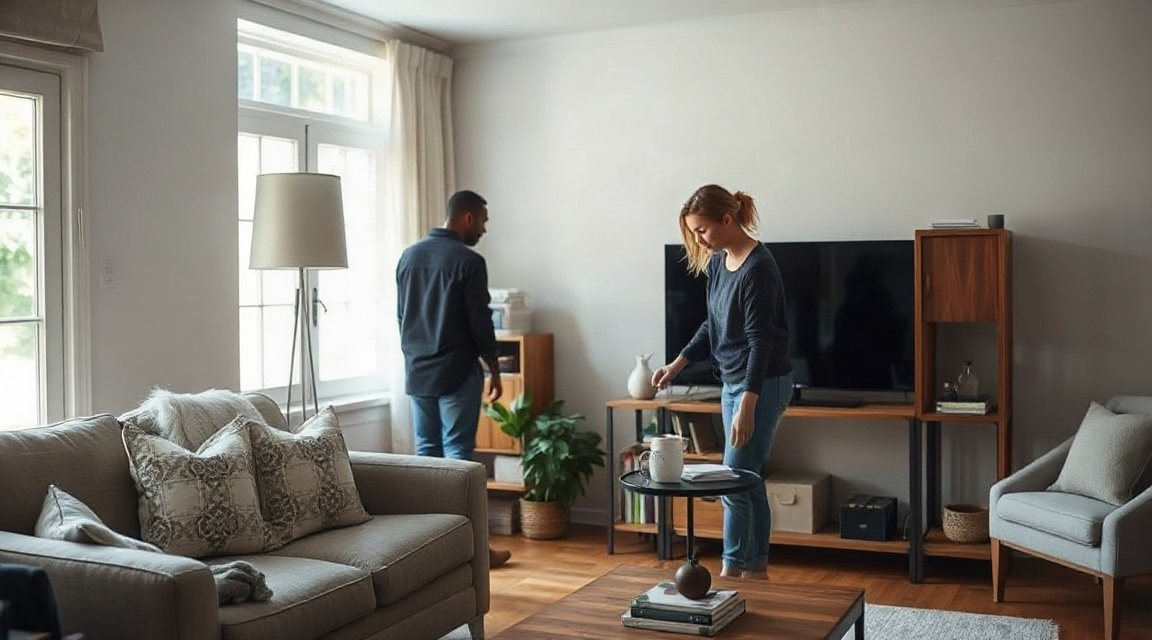
The scope varies a lot by company and by city, so it helps to see examples before assuming what's included. You can find a home stager near you to compare what different companies actually offer, since the word "staging" covers everything from a two-hour walkthrough to a multi-week furniture rental.
2. How Do I Know If I Need a Home Staging Company?
Not every listing needs full-service staging. A home that already shows well in natural light, with rooms that are easy to read in photos, may only need small adjustments. The harder cases are the ones where photos come back looking empty, cramped, or busy, and it's not obvious why.
A few signs point toward bringing in outside help. If an agent has already mentioned that photos need work before they go live, that's usually a direct cue. If you're selling privately, without an agent giving room-by-room guidance, a staging company or a written report can fill that gap. And if you've walked through your own home so many times that you can no longer tell what a stranger would notice first, that's often the clearest sign of all.
For sellers who want to check their own space before calling anyone, the Listing Prep Almanac walks through common rooms one at a time, so you can see what typically needs attention before a photographer arrives.
Pro tip: walk each room with your phone camera on, not your eyes. What the lens picks up (clutter at the edges of a frame, a shadow cast by a lamp, a doorway that looks narrower than it is) is often different from what you notice standing in the room yourself.
3. How Do Home Staging Companies Compare to Other Staging Options?
There's no single right way to prepare a home for sale, and the best fit depends on the timeline, the home, and how much the owner wants to do personally. Here's how the main approaches compare on practical trade-offs.
| Option | What it involves | Time commitment | Works best when |
|---|---|---|---|
| Full-service staging company | Stager brings furniture and decor, arranges rooms in person | Low for the homeowner, higher lead time to book | The home is vacant or the current furniture doesn't suit photos |
| Consultation-only staging | Stager visits or reviews photos, gives a list of changes | Homeowner does the physical work | The furniture is fine but the layout or decor needs adjusting |
| Written staging report from photos | Stager or a report tool reviews listing photos remotely and returns room-by-room notes | Fast turnaround, homeowner or agent implements | The listing is time-sensitive or the seller wants a clear checklist before the photographer comes |
| No outside help | Agent or homeowner prepares the home using general knowledge | Fully on the homeowner or agent | The home already shows well and only minor tidying is needed |
None of these options is universally better. A vacant home usually benefits from furniture being brought in, while an already furnished home more often needs a second set of eyes on layout rather than new pieces. If you're not sure which category your listing falls into, it helps to look at examples side by side before committing to one path. You can compare staging options to see how the approaches differ in practice, room by room.
4. How Do I Choose the Right Home Staging Company?
Once you've decided a company makes sense, the next question is which one. There are a few things to check before booking.
Ask to see photos of listings the company has staged before, ideally in a similar price range and home type to yours. A company that mostly stages larger, vacant homes may approach a smaller, furnished home differently than one that specializes in exactly that. Ask whether the service includes a written report or checklist, since that document is what the homeowner or agent will actually reference on staging day and afterward.
Location matters too. A stager who works regularly in your city will already know local listing photo conventions and typical buyer expectations for that market. If you're searching from a specific area, it can help to start local: home stagers in Toronto, home stagers in Ottawa, and home stagers in Oshawa are good starting points if you're selling in any of those markets.
Finally, ask about timeline. Staging needs to happen before the photographer, not after, and a company that can't commit to a date ahead of your listing deadline isn't a fit no matter how good their portfolio looks.
Pro tip: ask any company you're considering how they handle rooms with personal photos and keepsakes still in place. A good answer describes a process for temporarily setting those items aside, not a vague promise to "make it work" on the day.
5. What Should I Expect From the Process?
Most engagements follow a similar shape, whether the company is full-service or consultation-only. First comes an initial look at the home, either an in-person walkthrough or a review of photos already taken. From there, the company puts together specific notes: what to move, what to remove, what to add, organized by room.
If it's full-service, the next step is a scheduled staging day, where furniture and decor are placed directly. If it's consultation or report-based, the homeowner or agent works through the list themselves, usually over a day or two, before the photographer's appointment. Either way, the goal of this stage is the same: get the home ready before the photos are taken, not after.
Once the listing photos are done, some companies stay involved through the showing period, checking in periodically or offering quick adjustments if feedback from showings suggests something isn't landing. Others consider their job finished once the photography is complete. Ask which model a company follows before you book, so expectations match on both sides.
For a broader look at how real estate professionals think about preparing a home for market, the National Association of Realtors publishes general resources on listing preparation that can complement what a staging company recommends directly.
FAQ
Does a home staging company need to visit the property in person? Not always. Some companies work entirely from listing photos and return a written report, while others require an in-person visit, especially if they're supplying furniture. Ask upfront which model a company uses.
How far in advance should I book a home staging company? Book before the photographer is scheduled, not after. Full-service staging in particular can take time to arrange, since it depends on furniture availability and the stager's own calendar.
Can I use a staging report without hiring a full-service company? Yes. A written, room-by-room report is often used on its own by homeowners or agents who plan to make the changes themselves, without bringing in furniture or a full staging crew.
Key takeaways
| Point | Why it matters |
|---|---|
| Home staging companies range from full-service to consultation-only | The right fit depends on whether your furniture already works or needs to be replaced |
| A written report is often part of the service | It's the reference document used on staging day and afterward |
| Timing matters more than most sellers expect | Staging needs to happen before the photographer, not after |
| Local experience helps | Stagers familiar with your city know local listing photo conventions |
| Comparing options before booking saves time | Full-service, consultation, and report-based staging solve different problems |
Keep reading
For sellers
The home staging checklist, room by room
Every room in the house, in the order to do them: what to remove, what to rearrange, and what a photo actually notices.
For sellers
What to fix before selling your house (and what to skip)
The repairs buyers notice first, and the projects you should not start six weeks before listing.
For sellers
How to declutter before selling, without the panic
A calm order of operations for thinning out a house before listing: what goes first, where it goes, and how far is far enough.
Want this list built for your actual rooms?
Upload a few phone photos and the free Staging Snapshot starts the plan for your rooms. No account needed.