Luxury Home Staging: A Practical Guide for Sellers and Stagers
Luxury home staging is the process of preparing a higher-end property for listing photography and showings so that its rooms, finishes, and proportions read clearly to a viewer, whether they are scrolling through photos or walking the halls in person. It goes beyond tidying up: a stager working on a large or architecturally distinct home has to think about scale, layered lighting, and how each room's purpose is communicated at a glance, using furnishings and accessories sized to fit the space rather than a standard living room set. Staging changes how a room presents. It does not promise any particular outcome.
In this article:
- What Makes Luxury Home Staging Different From Standard Staging?
- How Do Stagers Prepare A Luxury Listing Before The Photographer Arrives?
- Luxury Staging Versus Standard Staging Versus Virtual Staging: Which Fits Your Listing?
- What Should A Seller Ask Before Hiring A Luxury Home Stager?
- FAQ
- Key takeaways
What Makes Luxury Home Staging Different From Standard Staging?
The core difference is scale and restraint. A standard staging job often means bringing in a full furniture package because rooms are empty or the existing furniture is worn out. Luxury staging usually starts from a home that already has good bones and finishes, so the work is more about editing than filling. A stager might remove half the furniture in a room to open up sightlines, then bring in one or two pieces that match the ceiling height and window scale rather than filling every corner.
Layering matters more here too. Lighting is treated in layers, so a room has ambient light, a reading lamp, and an accent light rather than a single overhead fixture doing all the work. Textiles and finishes are chosen to complement what is already in the home, rather than introducing a completely new palette. Vignettes on shelves and counters are curated with fewer, more considered objects instead of many small items.
Because these homes often have larger rooms, negative space becomes a tool. A stager may deliberately leave a corner empty so the room reads as spacious rather than trying to justify the square footage with more furniture. This is one of the more counterintuitive parts of the work for sellers who assume more staging always means more furniture.
If you are comparing how different stagers approach this kind of work, the Compare staging options page walks through the main approaches side by side, and the Listing Prep Almanac has a longer breakdown of how staging choices shift with home size and style.
How Do Stagers Prepare A Luxury Listing Before The Photographer Arrives?
Most of the visible staging work happens in the day or two before a photographer arrives, but the planning starts earlier. A stager typically walks the home room by room first, noting what needs to be removed, what needs to be repositioned, and where a rented piece might replace something that reads as too small or too worn for the space.
Surfaces get cleared first. Kitchen counters, bathroom vanities, and bedside tables are edited down to a small number of items, sometimes none at all, so the eye is drawn to the finishes rather than to clutter. Closets are often left slightly open or partially styled, since buyers browsing photos frequently look at storage.
Personal photographs and personal collections are usually removed or reduced, not because they are a problem, but because a neutral room photographs more clearly and lets a viewer picture their own belongings in the space. Cushions, throws, and linens are coordinated in tone rather than matched exactly, which reads better in photographs than a perfectly matched set.
Outdoor spaces get attention too. Patio furniture is arranged to suggest a specific use, such as a place to sit with coffee, rather than left as a generic seating group. Entryways are checked last, since this is the first thing a photographer shoots and the first thing a viewer sees.
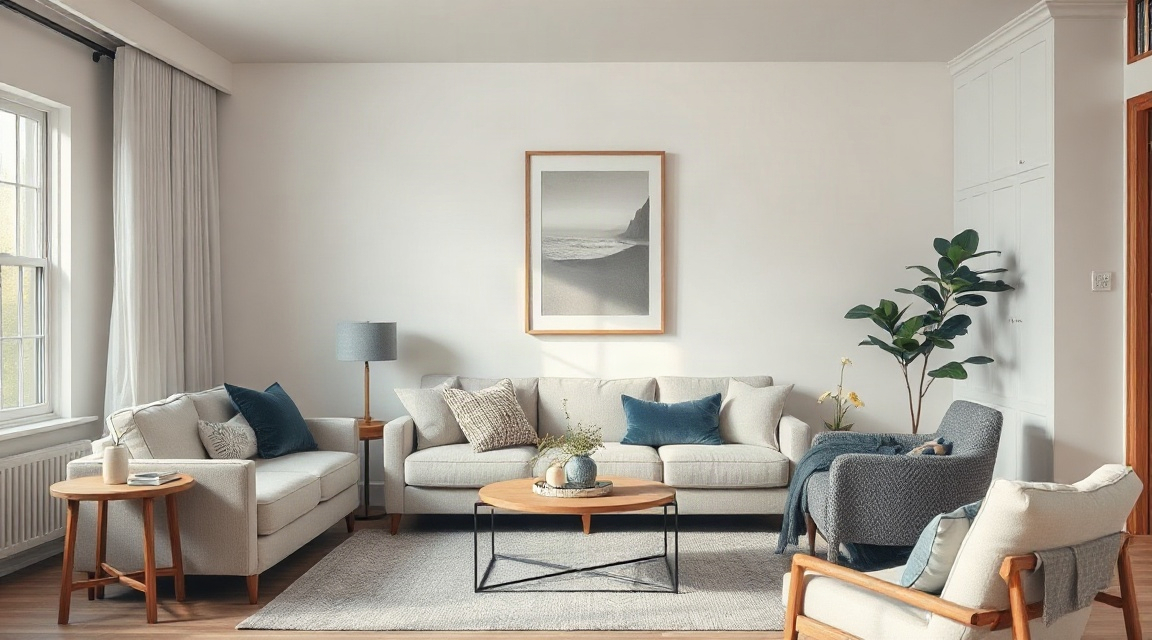
Pro tip: Ask your stager to finish the main living spaces a full day before the photographer arrives, not the same morning. Fresh florals wilt fast under indoor heat, and rushed staging tends to show in photos as slightly crooked cushions or uneven lighting that nobody had time to fix.
If you are trying to find someone local to walk through this process with you, start with Find a home stager near you, or look at listings for Home stagers in Toronto if you are in that market.
Luxury Staging Versus Standard Staging Versus Virtual Staging: Which Fits Your Listing?
Sellers often ask which approach makes sense for their specific home, and the honest answer depends on how the home is currently furnished, how much time is available before photography, and whether the seller is still living in the home during the listing period. The table below lays out the practical trade-offs of each approach without ranking one as universally better.
| Approach | What it involves | Time needed | Practical trade-off |
|---|---|---|---|
| Full luxury staging | Stager brings in curated furniture, art, and accessories sized to the home, often removing existing pieces | Several days for planning, one to two days for install | Gives the most control over how each room reads, but requires the home to be accessible for a longer window before photography |
| Occupied home staging | Stager works with what is already in the home, editing and rearranging rather than replacing | Usually a single day | Faster and less disruptive, but limited by the quality and scale of the existing furniture |
| Virtual staging | Empty or lightly furnished rooms are staged digitally after photography | No in-person install time | Useful for vacant homes, but only applies to photos, not to in-person showings |
| Partial staging | Only the most visible rooms, such as the entry and main living area, are staged | One day or less | Lower disruption and faster turnaround, but leaves other rooms unaddressed for showings |
None of these approaches guarantees a particular reaction from a viewer. They differ mainly in how much control they give the stager over the final look and how much they disrupt daily life in the home during the listing period.
What Should A Seller Ask Before Hiring A Luxury Home Stager?
A few questions tend to separate a stager who has worked on larger or more distinctive homes from one who mainly handles standard listings. Ask to see a portfolio of homes similar in scale to yours, not just a general gallery. Furnishing a room with high ceilings or an open floor plan calls for different inventory than a standard bedroom set, and a stager who has done it before will usually have photos to show for it.
Ask about their rental inventory directly. Some stagers own a small selection of statement pieces and rent the rest from a supplier, which is common and not a problem, but it affects how quickly they can source something specific for your home. Ask about insurance for rented items while they are in your home, particularly if you have young children or pets who might be around the staged rooms.
Ask how they document the plan. Many stagers walk a home and produce a room by room list of what will change before the photographer arrives, which the seller and the real estate agent can both review ahead of time. This kind of written plan helps avoid surprises on install day and gives the agent something concrete to reference when talking to the seller about timing.
Finally, ask about timeline flexibility. Fresh florals, rental delivery schedules, and photographer availability all need to line up, and a stager who cannot describe how they coordinate those pieces may struggle when the schedule shifts, which it often does.
For sellers working with an agent in a specific market, the Home stagers in Ottawa and Home stagers in Oshawa pages list local options, and the Listing Prep Almanac has a longer checklist for the weeks leading up to a listing going live. For general guidance on preparing a home for sale, the National Association of Realtors publishes consumer-facing resources that cover the broader listing process beyond staging alone.
FAQ
Does luxury home staging mean using more furniture than standard staging? Not necessarily. Many luxury staging jobs involve removing furniture to open up a room, then adding a small number of pieces sized to the scale of the space. More furniture is not the goal; clearer sightlines and proportion usually are.
Can a home be staged while the seller is still living in it? Yes. This is common and often involves editing and rearranging existing furniture rather than replacing all of it. It takes coordination around daily routines, but it does not require the home to be vacant.
How far in advance should staging be finished before photography? Most stagers aim to finish the main living spaces a day or two before the photographer arrives, which allows time to adjust lighting, check every room in daylight and in the evening, and let any fresh florals settle before the shoot.
Key takeaways
| Point | Why it matters |
|---|---|
| Luxury staging often removes furniture rather than adding it | Open sightlines and proportion matter more than filling every room |
| Lighting is layered, not just switched on | Ambient, task, and accent lighting each play a different role in photos |
| Occupied staging and full staging serve different situations | Choice depends on timeline, budget for rentals, and whether the seller still lives in the home |
| Virtual staging only affects photos | It does not help with in-person showings, which still need physical staging |
| A written room by room plan helps everyone stay aligned | Sellers and agents can review the plan before install day rather than reacting to surprises |
| Timeline coordination is often the hardest part | Florals, rentals, and photographer schedules all need to line up within a narrow window |
Staging a larger or more distinctive home takes more planning than a standard listing, mainly because the margin for a piece of furniture looking out of scale is smaller. None of this guarantees how a viewer will respond to the finished rooms, but a clear plan, agreed on before the photographer arrives, tends to make the process smoother for everyone involved.
Keep reading
For sellers
The home staging checklist, room by room
Every room in the house, in the order to do them: what to remove, what to rearrange, and what a photo actually notices.
For sellers
What to fix before selling your house (and what to skip)
The repairs buyers notice first, and the projects you should not start six weeks before listing.
For sellers
How to declutter before selling, without the panic
A calm order of operations for thinning out a house before listing: what goes first, where it goes, and how far is far enough.
Want this list built for your actual rooms?
Upload a few phone photos and the free Staging Snapshot starts the plan for your rooms. No account needed.