Occupied Home Staging: A Practical Guide for Sellers
Occupied home staging means preparing a home for sale while the owners are still living in it, using their own furniture and belongings rather than rented pieces. It focuses on editing, rearranging, and cleaning what is already there so the home photographs well and shows well to buyers, without the cost or logistics of moving people out or bringing in a full set of rental furniture.
- What Is Occupied Home Staging?
- How Do You Prepare a Lived-In Home for Photos?
- Which Rooms Need the Most Attention When You Still Live There?
- Occupied Home Staging vs Vacant Staging: Which Approach Fits Your Listing?
- How Long Does Occupied Home Staging Take?
- FAQ
- Key takeaways
What Is Occupied Home Staging?
Occupied home staging is the practice of preparing a home that people are still living in so it presents well to buyers. Unlike vacant staging, where a stager brings in a full set of furniture and decor for an empty property, occupied staging works with what the sellers already own. A stager or realtor walks through the home, room by room, and identifies what to remove, what to rearrange, what to repair cosmetically, and what small additions might help a space read more clearly in photos and in person.
The work is mostly about editing rather than adding. Personal collections get thinned out. Furniture gets moved to open up walking paths. Countertops get cleared. Closets get tidied so they look like they hold a reasonable amount, not an overflow. The goal is for each room to communicate its purpose clearly to someone who has never been inside the house before.
This approach suits sellers who are still living day to day in the home during the listing period, which describes most residential sales. It also suits sellers who want to avoid the extra step of moving belongings into temporary storage before a stager can bring in rental pieces.
Many stagers document this process as a written report before any photographer arrives, listing specific changes room by room so the seller knows exactly what to do and in what order. If you are searching for someone to guide you through this, you can find a home stager near you to get a sense of who works in this style in your area.
How Do You Prepare a Lived-In Home for Photos?
Preparing a lived-in home starts with a walkthrough, ideally with a second set of eyes. Sellers who have lived in a home for years often stop noticing things a buyer would notice immediately: a cluttered entry table, a wall of family photos, mismatched throw pillows. A stager or an experienced realtor can point these out quickly.
From there, the work usually follows a sequence:
First, remove excess. This includes duplicate furniture, personal collections, and anything that makes a room feel smaller than it is. Second, clean thoroughly, including areas that do not usually get attention, like baseboards and light fixtures. Third, rearrange what remains so that traffic paths are clear and each room has an obvious focal point. Fourth, address small cosmetic touch-ups, like scuffed walls or worn cabinet hardware, that a camera will pick up even if a visitor would overlook them in person.
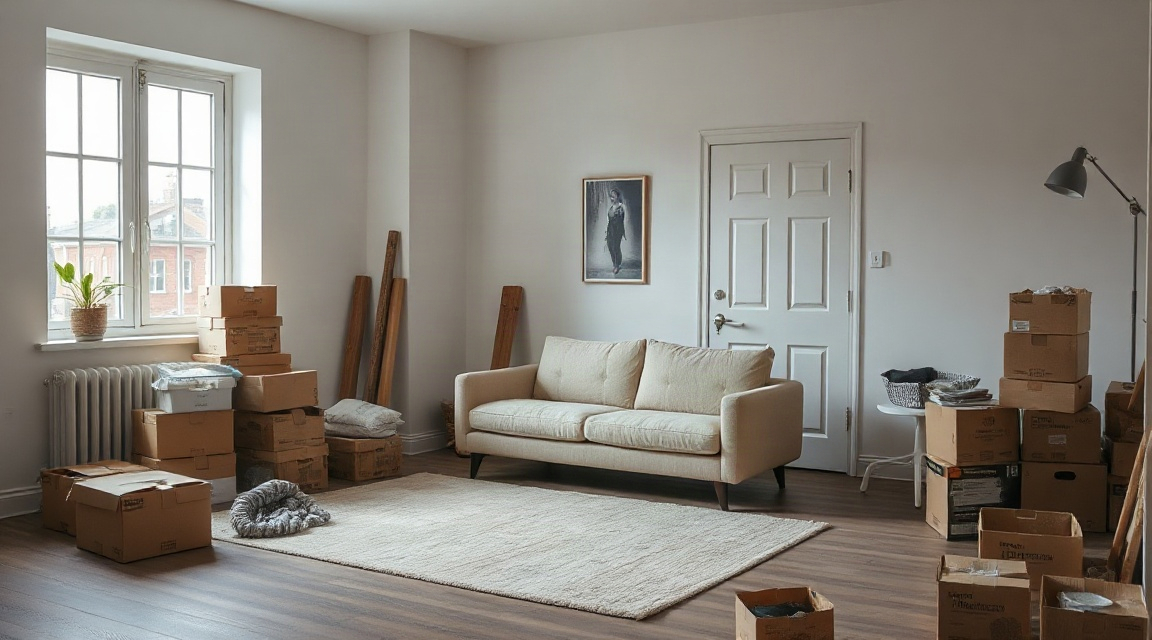
Pro tip: Do the decluttering pass at least a few days before the photographer is booked. Rooms almost always need a second look once the first layer of clutter is gone, and rushing this step is the most common reason listing photos need to be redone.
Sellers who want a structured starting point rather than guessing room by room often use a written report that lists specific actions for each space. This is the exact kind of document stagers hand to realtors before a shoot, and it removes a lot of the back and forth about what still needs to be done.
Which Rooms Need the Most Attention When You Still Live There?
Not every room needs equal effort. In an occupied home, some spaces carry more weight in photos and showings because buyers spend more visual attention on them.
The entry sets the first impression, so it should be clear of shoes, coats, and bags piled by the door. The main living area needs enough open floor space that the room does not feel cramped in wide-angle photos. The kitchen benefits from cleared counters and an empty sink, since counter clutter is one of the most common distractions in listing photos. Bedrooms should look like they belong to a guest rather than the current occupant, which usually means removing personal items from nightstands and dressers. Bathrooms should have counters cleared down to a minimal number of items.
Storage spaces matter more than most sellers expect. Buyers open closets and cabinets during showings, so a stuffed closet undermines the sense of space that the rest of the staging is trying to create. A simple fix is to remove a portion of what is stored there and box it for the move, which also gets a head start on packing.
Outdoor spaces, including front entries and back patios, deserve a pass too. Clearing garden tools, toys, and seasonal items goes a long way in photos taken from the street or the yard.
For sellers working with a realtor across different markets, the priorities can shift slightly depending on local buyer expectations. Realtors in city markets like Toronto or Ottawa often emphasize compact, multi-purpose rooms, while realtors in a market like Oshawa may focus more on larger family-oriented layouts. A local stager or realtor can tell you which rooms matter most for your specific buyer pool.
Occupied Home Staging vs Vacant Staging: Which Approach Fits Your Listing?
Choosing between occupied and vacant staging depends on your timeline, your comfort with rearranging your own belongings, and whether you have already moved out.
| Factor | Occupied staging | Vacant staging |
|---|---|---|
| Furniture used | The seller's own pieces, edited and rearranged | Rented furniture brought in for the listing period |
| Best suited for | Sellers still living in the home during the listing | Sellers who have already relocated |
| Setup time | Can start almost immediately with a walkthrough | Requires scheduling delivery and setup of rental pieces |
| Ongoing upkeep | Seller must maintain the staged look daily until sale | Minimal daily upkeep since no one is living there |
| Personal touch | Retains some of the seller's own style, edited down | Presents a neutral, generic look throughout |
Neither approach is universally better. A seller who is still living in the home and needs to keep working from a home office, for example, may find occupied staging more practical because it does not require finding a temporary place to live. A seller who has already moved for a new job, on the other hand, may prefer vacant staging because there is no daily upkeep required while showings are happening.
If you are unsure which approach fits your situation, it helps to compare staging options side by side before committing to either one. Many realtors also keep a reference like the Listing Prep Almanac on hand to walk sellers through the decision room by room.
How Long Does Occupied Home Staging Take?
The timeline for occupied staging depends on the size of the home and how much needs to be cleared out or rearranged. A smaller condo with light clutter might be ready for photos within a day or two of a walkthrough. A larger home with years of accumulated belongings usually needs more time, particularly in storage areas like closets, garages, and basements.
Pro tip: Book the photographer only after the decluttering and cleaning passes are done, not before. Scheduling the shoot too early is one of the most common reasons sellers end up paying for a second photo session.
The written report that a stager or realtor produces after the initial walkthrough typically breaks the work into a sequence, starting with the rooms that appear first in the listing photos, since those images get the most attention from buyers browsing online. Working from a room-by-room list also makes it easier to divide tasks if more than one person in the household is helping with the preparation.
Sellers working without a stager can still follow this general order: declutter, clean, rearrange, then touch up. Skipping steps or doing them out of order tends to create more work later, since a rearranged room often reveals cleaning that still needs to happen underneath or behind furniture that was moved.
For general guidance on preparing a home for sale, the Canada Mortgage and Housing Corporation publishes consumer resources on the home selling process that cover related preparation steps beyond staging alone.
FAQ
Does occupied home staging cost more than vacant staging? This guide does not cover pricing, since costs vary by market, provider, and scope of work. What can be said generally is that occupied staging uses the seller's existing furniture, while vacant staging typically involves bringing in a separate set of furniture for the listing period, which changes the scope of work involved.
Can I do occupied home staging myself without hiring a stager? Yes, many sellers handle the decluttering, cleaning, and rearranging themselves, especially in smaller homes. A written room-by-room list, whether from a stager, a realtor, or a self-guided checklist, tends to keep the process organized and reduces the chance of missing a room before photos are taken.
How do I know if my home is a good fit for occupied staging rather than vacant staging? Homes where the sellers are still living day to day, with furniture and layouts that are reasonably functional, are generally straightforward candidates for occupied staging. Homes that are already empty, or where the furniture does not suit the layout well, are often better served by bringing in staged pieces instead.
Key takeaways
| Point | Summary |
|---|---|
| Definition | Occupied home staging prepares a lived-in home using the seller's own furniture, mainly through editing and rearranging |
| Preparation order | Declutter, clean, rearrange, then handle small cosmetic touch-ups, in that sequence |
| Priority rooms | Entry, main living area, kitchen, bedrooms, bathrooms, and storage spaces get the most attention |
| Occupied vs vacant | Occupied staging suits sellers still living in the home, vacant staging suits homes already emptied |
| Timing | Complete decluttering and cleaning before booking a photographer to avoid a repeat shoot |
| Local guidance | A local stager or realtor can adjust room priorities based on buyer expectations in your specific market |
Keep reading
For sellers
The home staging checklist, room by room
Every room in the house, in the order to do them: what to remove, what to rearrange, and what a photo actually notices.
For sellers
What to fix before selling your house (and what to skip)
The repairs buyers notice first, and the projects you should not start six weeks before listing.
For sellers
How to declutter before selling, without the panic
A calm order of operations for thinning out a house before listing: what goes first, where it goes, and how far is far enough.
Want this list built for your actual rooms?
Upload a few phone photos and the free Staging Snapshot starts the plan for your rooms. No account needed.