Staging a Country House for Sale: A Clear Walkthrough
A country house is a detached home set outside a dense urban core, usually with more land around it than a typical suburban lot, and often with a mix of older and updated finishes that need a different staging approach than a condo or townhome. Staging one well means paying attention to the land, the entry sequence, and the larger, harder-to-fill rooms that are common in rural and semi-rural properties.
- What Makes a Country House Different From a Suburban Listing?
- How Should You Prepare a Country House Before Photos Are Taken?
- What Staging Choices Work Best Inside a Country House?
- How Do You Compare Staging Options for a Country House?
- FAQ
- Key takeaways
What Makes a Country House Different From a Suburban Listing?
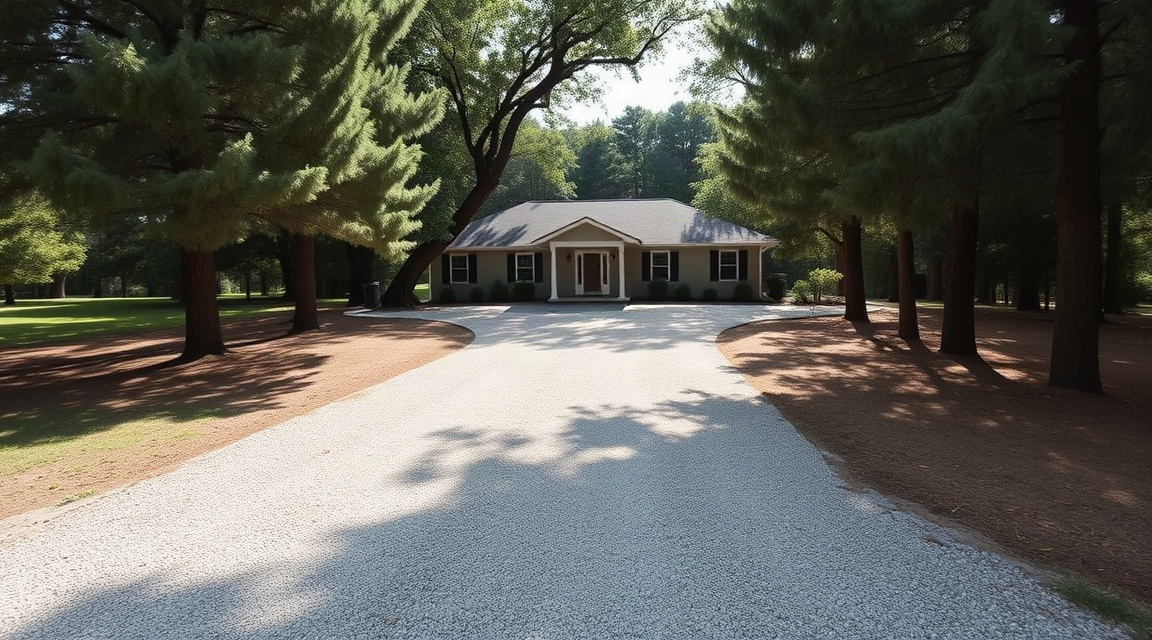
A country house usually sits on a larger parcel of land, which changes what buyers notice first. Instead of comparing a front yard to the neighbor's, buyers are looking at the driveway approach, the tree line, and how much open space surrounds the house. That first look matters as much as the front door itself, so staging a country house starts outside, not in the living room.
Inside, the rooms are often bigger and more varied in shape. Country houses built decades ago may have a mix of smaller, separated rooms alongside one or two oversized spaces such as a long kitchen or a wide family room added later. Staging has to account for scale. A sofa and loveseat that would fill a suburban living room can look lost in a country house great room, and a dining table meant for six can look out of place in a room built for a farmhouse-style table.
Light is another factor. Country houses are frequently surrounded by trees, outbuildings, or distance from street lighting, which changes how rooms read in photos taken at different times of day. A room that looks warm and open at midday can look closed in and dim in a late afternoon shot. This is one of the practical reasons a room-by-room staging note, written before the photographer arrives, is useful here specifically. It flags which rooms depend on natural light and which need lamps turned on and curtains adjusted before the camera comes out.
Finally, country houses tend to carry more storage, more seasonal items, and more outbuildings in view of the main photos. Sheds, workshops, and detached garages often appear in exterior shots whether the seller intends them to or not, so a staging plan for a country house usually includes a short note on what should and should not be visible from the main approach.
How Should You Prepare a Country House Before Photos Are Taken?
Preparation for a country house follows the same order as any other home: clear, clean, then arrange. But the scale and setting change what gets priority.
Start outside. Walk the main approach the way a buyer would, from the road or driveway entrance to the front door. Remove anything that interrupts that sightline unnecessarily, such as parked equipment, stacked firewood near the entry, or bins left in view. This is not about hiding the land, it is about making sure the approach reads clearly in a photo.
Move to the entry and the rooms nearest it. These set the tone for the rest of the listing. A country house entry often does double duty as a mudroom, so it tends to collect boots, coats, and outdoor gear. Clearing this space to show its actual size is one of the highest-impact, lowest-effort changes a seller can make.
Inside, work room by room rather than trying to tidy the whole house at once. Large rooms benefit from a clear focal point, whether that is a fireplace, a window, or a dining area. Smaller, older rooms often benefit from reducing furniture rather than adding it, since country houses are more likely to have inherited pieces that were sized for a different layout than the one currently being photographed.
Outbuildings and yard structures deserve their own short pass. If a shed, barn, or detached garage will appear in any listing photo, it should get the same basic clearing and arranging attention as an interior room, even if it will not be staged in the traditional sense.
Pro tip: walk the property at the same time of day the photographer is scheduled to arrive, at least once, before the shoot. Country houses often have light and shadow patterns that are very different in the morning than in the late afternoon, and seeing the actual light will tell you which rooms need lamps on, which curtains need to be open, and which exterior angles will photograph cleanly.
What Staging Choices Work Best Inside a Country House?
Once the clearing and cleaning pass is done, staging decisions for a country house usually come down to scale, flow, and how many rooms actually need furniture versus a lighter touch.
Large rooms, such as an open kitchen and dining area or a converted barn-style living space, generally photograph better with fewer, larger pieces rather than many small ones. A single well-placed sofa and a clear pathway through the room reads better in a photo than a cluttered seating arrangement, even if the cluttered version feels more lived-in in person.
Smaller, older rooms, such as a den or a secondary bedroom in an older country house, often benefit from removing furniture rather than adding it. A bed that fits snugly with little walking space around it can make a bedroom look smaller than it is. Taking out one dresser or a bulky nightstand can open the room enough that the photo tells a clearer story.
Rooms that are hard to define, a common issue in older country houses with additions built over time, benefit from a clear single purpose. A room that has been used as storage, a sewing space, and a home office all at once should be staged for one of those uses, not all three, before it is photographed.
Outdoor living spaces, porches, and covered entries deserve the same attention as interior rooms in a country house listing, since buyers searching for this type of property are often specifically looking for outdoor space. A clean, lightly furnished porch or deck photographs as usable square footage, while a cluttered one reads as an afterthought.
For sellers working with a stager, a written room-by-room staging report prepared before the shoot, the kind a home stager near you would typically provide, keeps this process consistent from room to room instead of relying on memory during a single walkthrough.
How Do You Compare Staging Options for a Country House?
Sellers generally choose between doing the staging work themselves, hiring a stager to physically arrange the home, or using virtual staging on photos after the shoot. Each approach has trade-offs that matter more in a country house than in a smaller urban listing, mainly because of scale and the amount of outdoor space involved.
| Approach | What it covers | Where it works well for a country house | Where it falls short |
|---|---|---|---|
| Self-staging | Clearing, cleaning, basic furniture arrangement done by the seller | Entry areas, mudrooms, and smaller rooms the seller knows well | Large or oddly shaped rooms, and exterior approach planning, are easy to misjudge without outside eyes |
| In-person professional staging | Physical furniture, decor, and room arrangement by a stager | Large great rooms, dining areas, and porches that need scale-appropriate furniture | Outbuildings and distant exterior structures are usually outside the scope of in-person staging |
| Virtual staging | Digitally added furniture and decor applied to photos after the shoot | Empty rooms, especially in vacant country houses where moving furniture in is impractical | Does not address real clutter, lighting, or the actual approach to the house, since the physical space is unchanged |
A written staging report, prepared room by room before any of these methods are applied, helps sellers and agents decide which approach fits which part of the house. A country house rarely needs the same solution in every room. The entry might need self-staging, the main living space might need in-person work, and a vacant secondary suite might be a candidate for virtual staging. The Compare staging options page walks through these trade-offs in more detail for sellers who are deciding between them.
For sellers working with an agent in a specific market, local stagers familiar with the area's typical country house stock, such as home stagers in Ottawa or home stagers in Oshawa, often have a clearer sense of which rooms buyers in that region respond to and which outdoor features matter most. The general approach set out by groups like the National Association of Realtors on preparing a home for sale applies here too, though the specifics shift once land and outbuildings enter the picture.
FAQ
Does a country house need more staging than a smaller home? Not necessarily more, but different. A country house often has larger rooms and more exterior space to account for, so the staging plan covers more ground, even if the per-room effort is similar to a smaller house.
Should outbuildings be staged too? Any outbuilding that appears in a listing photo benefits from the same basic clearing and arranging as an interior room. A shed or barn does not need furniture, but it should be tidy and clear of unrelated items before it is photographed.
Is virtual staging a good fit for a vacant country house? Virtual staging can work well for empty rooms, particularly in a country house where moving in temporary furniture is impractical. It does not address the exterior approach or outdoor space, which usually still needs physical attention.
Key takeaways
| Point | Why it matters |
|---|---|
| A country house is judged on approach and land as much as interior rooms | Buyers form an impression before reaching the front door |
| Scale changes staging decisions | Large rooms need fewer, larger pieces; small rooms often need less furniture, not more |
| Light varies more in rural settings | A room-by-room check at the time of the planned shoot avoids dim or uneven photos |
| Outbuildings count as listing space | Sheds, barns, and garages visible in photos deserve the same clearing attention as interior rooms |
| No single staging method fits every room | Self-staging, in-person staging, and virtual staging each suit different parts of a country house |
| A written staging plan keeps the work consistent | Reviewing the Listing Prep Almanac before a shoot helps sellers and stagers cover each room methodically |
Keep reading
For sellers
The home staging checklist, room by room
Every room in the house, in the order to do them: what to remove, what to rearrange, and what a photo actually notices.
For sellers
What to fix before selling your house (and what to skip)
The repairs buyers notice first, and the projects you should not start six weeks before listing.
For sellers
How to declutter before selling, without the panic
A calm order of operations for thinning out a house before listing: what goes first, where it goes, and how far is far enough.
Want this list built for your actual rooms?
Upload a few phone photos and the free Staging Snapshot starts the plan for your rooms. No account needed.