What Does a Home Stager Do? A Full Room-by-Room Explainer
A home stager prepares a house for sale by editing, arranging, and sometimes adding furniture and decor so that each room photographs clearly and reads well to a buyer walking through it. The work happens before listing photos are taken, and it covers decluttering, furniture placement, lighting, wall color choices, and small cosmetic touches that make a space look finished. Some stagers work directly with the homeowner, others are hired by the realtor handling the listing, and many produce a written room-by-room plan that the seller can follow on their own timeline.
Table of Contents
- What Does a Home Stager Do?
- What Does a Home Stager Do Room by Room?
- How Does a Home Stager Work With a Realtor?
- When Should a Seller Bring in a Home Stager?
- What Does a Home Stager Do Differently Than a Decorator?
- FAQ
- Key takeaways
What Does a Home Stager Do Room by Room?
A stager rarely treats a house as one job. They move through it room by room, and the notes they leave for each space are usually different because each room does a different job for a buyer.
In the living room, the focus is on flow. Furniture gets pulled away from walls, oversized pieces are removed or swapped, and a clear path is opened between the entry and the main seating area. Personal photos and collections usually come down, not because they matter to a buyer but because they distract the eye from the room itself.
In the kitchen, counters get cleared down to a few functional items. Small appliances, magnets, and paper clutter go into a cupboard. A stager will often suggest a bowl of fruit or a single plant, nothing more, because an empty counter photographs as bigger than a cluttered one.
Bedrooms get simplified bedding, in most cases in a neutral tone, with nightstands cleared to one or two objects. Closets are not ignored either. A stager will usually ask a seller to remove roughly half of what is hanging, because a full closet reads as short on storage regardless of the room's actual size.
Bathrooms get cleared counters, matched towels, and the removal of anything that suggests daily use, like a toothbrush or a bottle of shampoo.
Outdoor spaces get a lighter touch: a swept walkway, a tidy doormat, cushions on a porch chair, and toys or hoses moved out of frame.
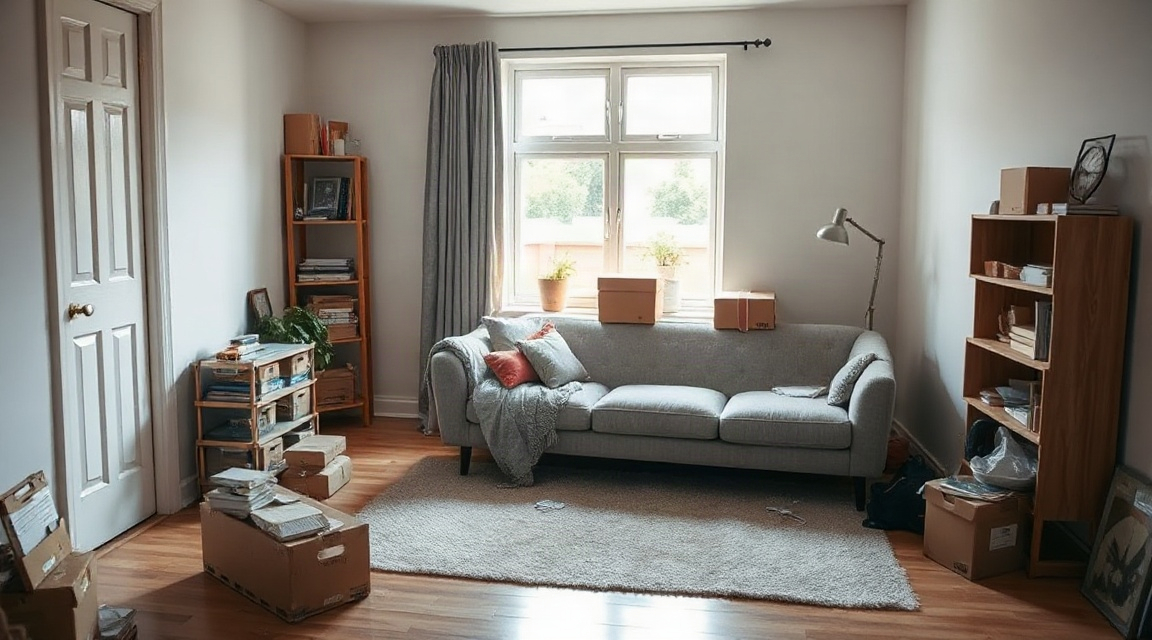
Pro tip: work through the rooms buyers see first, the entry and the main living space, before spending time on rooms further back in the house. Photographers usually shoot in that order too, so the front-facing rooms get the most visual attention regardless of square footage.
How Does a Home Stager Work With a Realtor?
Most of the time, the realtor is the one who brings in the stager. The realtor lists the home, walks the property with the stager either in person or through photos, and the stager returns with a plan: what to remove, what to rearrange, what to buy or borrow, and in some cases what furniture pieces to rent for a vacant property.
That plan used to be delivered as a verbal walkthrough. Increasingly it comes as a written, room-by-room document that the seller can follow at their own pace, which matters because sellers are often juggling packing, work, and a move at the same time as getting a house ready for photos. A written plan also gives the realtor something concrete to point to when a seller asks what still needs to happen before the photographer arrives.
If you are searching for a local option rather than trying to piece this together yourself, directories such as home stagers in Toronto, home stagers in Ottawa, or home stagers in Oshawa list stagers working in those specific markets. For a broader search across regions, find a home stager near you is a reasonable starting point.
The National Association of Realtors publishes ongoing guidance for its members on preparing listings, which gives some sense of how mainstream this step has become in a standard listing process rather than an optional add-on.
When Should a Seller Bring in a Home Stager?
Timing matters more than most sellers expect. A stager works best once the bulk of packing and decluttering is already underway, because their job is arranging what remains, not sorting through years of accumulated belongings. Bringing a stager in too early, before a seller has started removing excess items, usually means a second visit is needed later.
The other timing question is photography. Staging should always happen before the photographer's appointment, not after. Light also plays a role: a room photographed at midday with blinds open reads very differently than the same room shot in the evening with lamps on, so a stager will often ask about the photographer's scheduled time before finalizing lighting choices.
For sellers who want a full sequence to work through, from decluttering to the final photo shoot, the Listing Prep Almanac lays out the order those steps typically happen in.
Pro tip: book the stager's visit before you book the photographer, not after. Sellers who lock in a photography date first often end up rushing the staging work to meet it, which is the opposite of how the two should be sequenced.
What Does a Home Stager Do Differently Than a Decorator?
The terms get used loosely, but a home stager, an interior decorator, and a professional organizer are solving different problems.
| Role | Main goal | Typical timeline | Who the work is for |
|---|---|---|---|
| Home stager | Make rooms read clearly to a broad range of buyers in photos and in person | Short-term, tied to a listing date | The seller and the realtor managing the listing |
| Interior decorator | Reflect the personal taste of the people living in the home | Long-term, meant to last for years | The homeowner living in the space |
| Professional organizer | Sort and systematize belongings, closets, and storage | Ongoing or one-time, not tied to a sale | The homeowner's daily use of the space |
A decorator is hired to make a home feel personal. A stager is hired to do close to the opposite, removing the personal so more people can picture themselves in the space. An organizer solves a storage problem that may or may not have anything to do with selling a house.
Some sellers try to handle staging themselves using decorating instincts, and that can work for a single room. Where it tends to fall short is consistency across an entire house, since a seller who lives in the space every day stops noticing the clutter that a fresh set of eyes catches immediately. For a side-by-side look at different approaches, including working with a stager, working with a photographer only, or doing it independently, compare staging options walks through the practical trade-offs.
Key takeaways
| Point | What it means |
|---|---|
| A stager works room by room | Each room gets a different set of changes, not a single blanket treatment |
| Staging happens before photography | The order matters more than the individual tasks |
| Realtors often initiate the hire | But homeowners selling privately can hire a stager directly too |
| A written plan is now common | Sellers can work through it at their own pace instead of relying on memory |
| Staging is not decorating | The goal is broad clarity, not personal taste |
FAQ
Do I need to hire a home stager to sell my house? No, it is not a requirement. Some sellers handle it themselves using a checklist, while others bring in a professional because they want a second set of eyes on the whole house at once, particularly for rooms that are hard to judge objectively when you live in them.
How long does staging a home take? It depends on how much needs to be cleared out and
Keep reading
For sellers
The home staging checklist, room by room
Every room in the house, in the order to do them: what to remove, what to rearrange, and what a photo actually notices.
For sellers
What to fix before selling your house (and what to skip)
The repairs buyers notice first, and the projects you should not start six weeks before listing.
For sellers
How to declutter before selling, without the panic
A calm order of operations for thinning out a house before listing: what goes first, where it goes, and how far is far enough.
Want this list built for your actual rooms?
Upload a few phone photos and the free Staging Snapshot starts the plan for your rooms. No account needed.